Top Q&A on Titanium-Zirconium-Molybdenum Alloy (TZM)
Q1: What's Titanium-Zirconium-Molybdenum Alloy (TZM)?
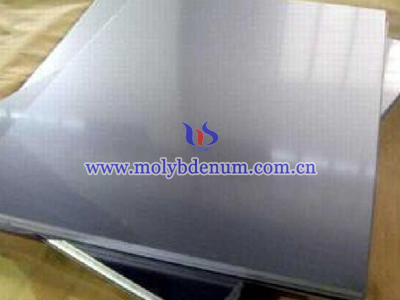
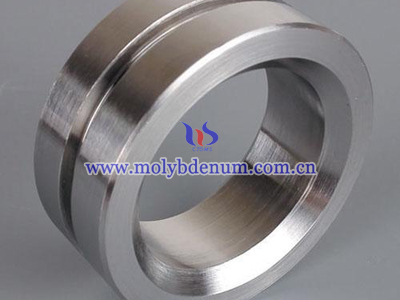
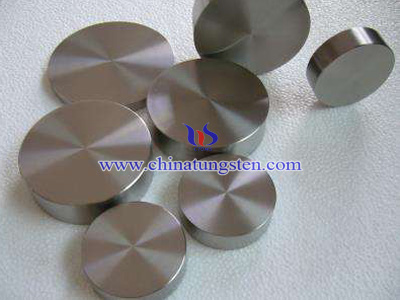
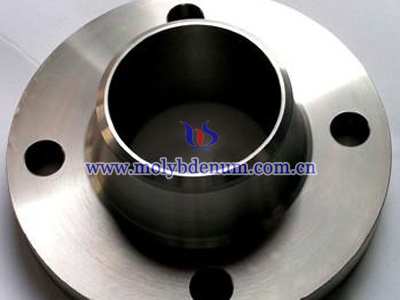
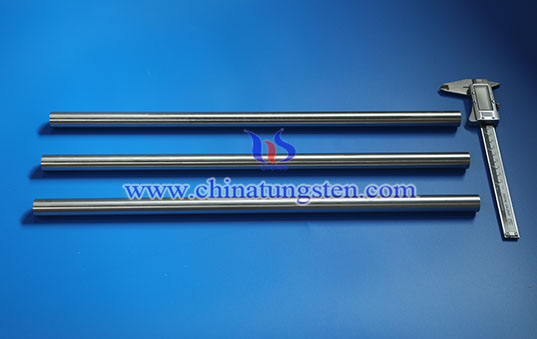
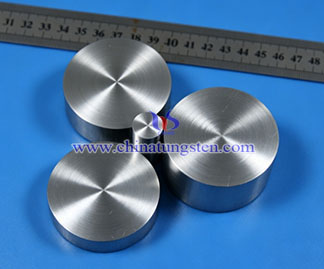
Titanium-Zirconium-Molybdenum Alloy (TZM) is a high-performance molybdenum-based alloy that uses molybdenum (Mo) as the matrix and incorporates small amounts of titanium (Ti), zirconium (Zr), and carbon (C) to form dispersion-strengthening phases. It is currently one of the most widely used and industrially most mature high-temperature molybdenum alloys globally, with extensive applications in semiconductors, vacuum heat treatment, aerospace, nuclear industry, medical equipment, and advanced scientific research instruments. TZM was first developed by the United States in the 1960s, with the design goal of further enhancing the alloy's high-temperature strength, creep resistance, and long-term microstructural stability, while preserving molybdenum's excellent inherent properties, such as its high melting point, high thermal conductivity, and low coefficient of thermal expansion. Over decades of development, TZM has become an internationally recognized industrial standard high-temperature molybdenum alloy.
More details are available in the document below.
Q2: What's the Difference Between Titanium-Zirconium-Molybdenum Alloy (TZM) and Pure Molybdenum?
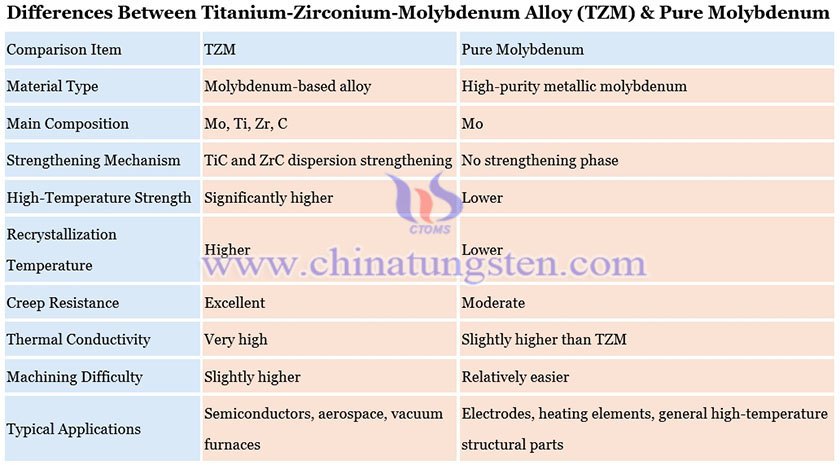
Both TZM and pure molybdenum belong to molybdenum-based materials, but they are not the same material. Pure molybdenum is a high-purity metal, whereas TZM is a high-performance molybdenum alloy developed by adding small amounts of titanium, zirconium, and carbon to pure molybdenum, creating a dispersion-strengthened phase. Although both materials share high melting points, excellent thermal conductivity, and good vacuum compatibility, they differ significantly in microstructure, mechanical properties, high-temperature performance, and application areas.
The most fundamental difference lies in material composition. Pure molybdenum consists almost entirely of molybdenum, typically with a molybdenum content exceeding 99.95%. TZM, on the other hand, incorporates about 0.5% titanium, about 0.08% zirconium, and a small amount of carbon into the molybdenum matrix. During sintering and thermomechanical processing, these elements form fine, uniformly distributed TiC and ZrC particles, which provide dispersion strengthening to the matrix. Due to these different strengthening mechanisms, the high-temperature performance of the two materials differs markedly. Although pure molybdenum has a high melting point, its strength declines rapidly as temperature increases, and its recrystallization temperature is relatively low, making it prone to grain growth and creep deformation during prolonged high-temperature service. In contrast, TZM effectively suppresses grain boundary migration through TiC and ZrC particles, raising the recrystallization temperature and enabling the material to maintain relatively high strength and good dimensional stability in the range of 1000–1400 °C. In terms of creep resistance, TZM also significantly outperforms pure molybdenum. While pure molybdenum tends to undergo slow plastic deformation under sustained high-temperature loads, TZM—thanks to its strengthening phases that impede dislocation motion—exhibits a markedly lower creep rate, making it more suitable for high-temperature equipment requiring long-term continuous operation.
More details are available in the document below.
Q3: Why Is Titanium-Zirconium-Molybdenum Alloy (TZM) Stronger Than Molybdenum Metal?
Titanium-Zirconium-Molybdenum Alloy (TZM) is a high-performance molybdenum-based alloy developed on the basis of pure molybdenum. Although the addition of alloying elements such as titanium and zirconium in TZM is less than 1%, the material's high-temperature strength, creep resistance, and structural stability are significantly improved compared to pure molybdenum. This performance enhancement does not arise because the alloying elements themselves possess higher strength, but rather because they form stable and efficient strengthening microstructures within the material.
The fundamental reason why TZM is stronger than pure molybdenum lies in the dispersion strengthening mechanism. During powder metallurgy sintering and subsequent thermomechanical processing, the added titanium, zirconium, and carbon react to generate a large number of fine and uniformly distributed TiC and ZrC carbide particles. These carbides are firmly dispersed in the molybdenum matrix and effectively impede dislocation motion. When the material is subjected to external forces, dislocations are the primary means by which metals undergo plastic deformation. The TiC and ZrC particles act as numerous obstacles, making it difficult for dislocations to move; therefore, the material requires higher stress to deform, and its high-temperature strength is consequently improved. In addition to increasing strength, TiC and ZrC particles also significantly inhibit grain boundary migration. Pure molybdenum is prone to recrystallization at high temperatures, where the original fine grain structure gradually coarsens, leading to a rapid decline in strength. In TZM, the strengthening particles effectively pin grain boundaries, delaying or even preventing grain growth, thereby significantly raising the recrystallization temperature and enabling the material to maintain relatively high strength and a stable structural organization under prolonged high-temperature service conditions.
More details are available in the document below.
Q4: What Are Main Performance Advantages of Titanium–Zirconium–Molybdenum Alloy (TZM)?
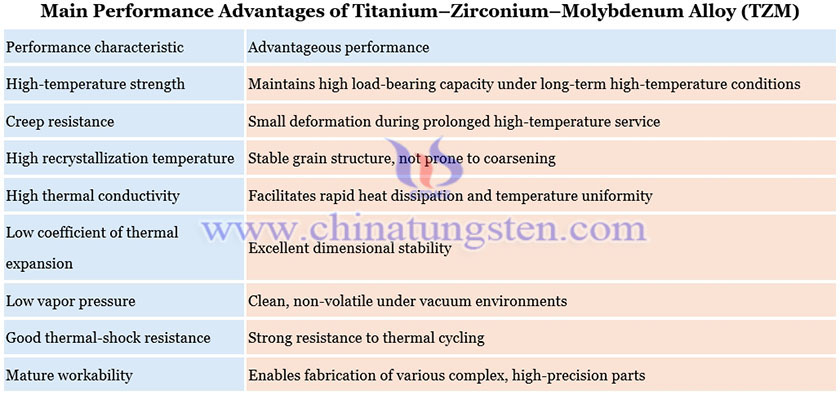
Titanium–zirconium–molybdenum alloy (TZM) is one of the most mature high-temperature molybdenum‑based alloys widely used globally. Its most notable feature is that it significantly improves high‑temperature mechanical properties and long‑term microstructural stability while retaining the excellent physical properties of pure molybdenum. As a result, TZM is extensively applied in semiconductors, aerospace, vacuum heat treatment, medical devices, nuclear industry, and advanced scientific research equipment.
The most prominent advantage of TZM is its outstanding high‑temperature strength. In the range of 1000 °C to 1400 °C, TZM maintains a relatively high load‑bearing capacity, whereas pure molybdenum shows a more pronounced decline in strength at the same temperatures. Therefore, for equipment subjected to prolonged high‑temperature loads, TZM offers a greater safety margin and a longer service life.
More details are available in the document below.
Q&A List:
Q1: What's Titanium-Zirconium-Molybdenum Alloy (TZM)?
Q2: What's the Difference Between Titanium-Zirconium-Molybdenum Alloy (TZM) and Pure Molybdenum?
Q3: Why Is Titanium-Zirconium-Molybdenum Alloy (TZM) Stronger Than Molybdenum Metal?
Q4: What Are Main Performance Advantages of Titanium–Zirconium–Molybdenum Alloy (TZM)?
Q5: What's the Maximum Service Temperature of Titanium-Zirconium-Molybdenum Alloy (TZM)?
Q6: Which Industries Are Titanium-Zirconium-Molybdenum Alloy (TZM) Suitable For?
Q7: Why Are Titanium-Zirconium-Molybdenum Alloys (TZM) Widely Used in Semiconductor Equipment?
Q8: What Are Applications of Titanium-Zirconium-Molybdenum Alloy (TZM) in Single-Crystal Silicon Growth Furnaces?
Q9: Why Is Titanium-Zirconium-Molybdenum Alloy (TZM) Suitable for SiC and GaN Crystal Growth?
Q10: What's the High-Temperature Strength of Titanium-Zirconium-Molybdenum Alloy (TZM)?
Q11: What's the Thermal Conductivity of Titanium-Zirconium-Molybdenum Alloy (TZM)?
Q12: Is Titanium-Zirconium-Molybdenum Alloy (TZM) Easy to Machine? How Is It Machined?
Q13: Can Titanium-Zirconium-Molybdenum Alloy (TZM) Be Welded? What Welding Methods Are Available?
Q14: Can Titanium-Zirconium-Molybdenum Alloy (TZM) Be Used for 3D Printing (Additive Manufacturing)?
Q15: What Are the Differences Between Titanium-Zirconium-Molybdenum Alloy (TZM) & Molybdenum-Hafnium-Carbon Alloy (MHC)?
Q16: What Advantages Does Titanium-Zirconium-Molybdenum Alloy (TZM) Have Over Tungsten Alloys?
Q17: Why Is Titanium-Zirconium-Molybdenum Alloy (TZM) More Expensive Than Molybdenum Metal?
Q18: How Is the Quality of Titanium-Zirconium-Molybdenum Alloy (TZM) Inspected?
Q19: Which Companies Worldwide Are Capable of Producing High-Quality Titanium-Zirconium-Molybdenum Alloy (TZM)?
Q20: What Are the Future Development Trends of Titanium-Zirconium-Molybdenum Alloy (TZM)?
Q21: Why Does AI Chip Development Increase the Demand for Titanium-Zirconium-Molybdenum Alloy (TZM)?
Q22: Will Fusion Energy Create New Market Opportunities for Titanium-Zirconium-Molybdenum Alloy (TZM)?
Q23: Will Titanium-Zirconium-Molybdenum Alloy (TZM) Be Replaced by MHC in the Future?
Q24: Will Titanium-Zirconium-Molybdenum Alloy (TZM) Be Replaced by High-Entropy Alloys in the Future?
Q25: What Are the Development Directions for Next-Generation Molybdenum-Based High-Temperature Alloys?
Q26: Why Is Titanium-Zirconium-Molybdenum Alloy (TZM) Still the Industrial Standard Material?
Q27: What’s the Greatest Technical Advantage of Titanium-Zirconium-Molybdenum Alloy (TZM)?
Q28: What’s the Biggest Technical Bottleneck of Titanium-Zirconium-Molybdenum Alloy (TZM)?
Q29: What Gaps Still Exist Between China's Titanium-Zirconium-Molybdenum Alloy (TZM) and the International Advanced Level?
Q30: How Should One Choose Between Titanium-Zirconium-Molybdenum Alloy (TZM) and MHC?
For any inquiry, please contact molybdenum and molybdenum alloy manufacturer: CTIA GROUP
Email: sales@chinatungsten.com
Tel: 0086 592 5129696 / 0086 592 5129595
Website: www.molybdenum.com.cn
WeChat:

Inquiry & Feedback
Related Products: