CTIA's TZM Alloy in Vacuum Sintering Furnace
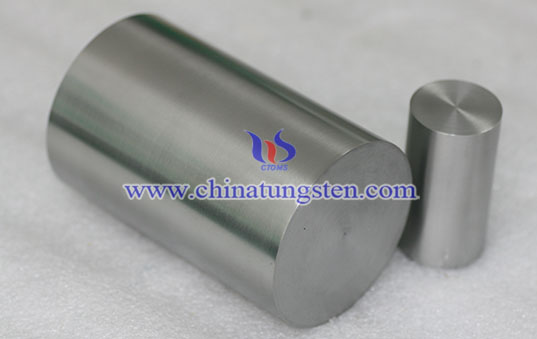
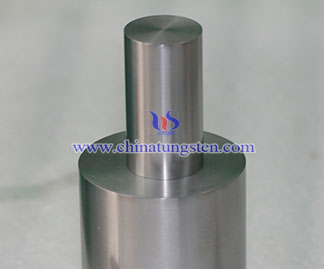
CTIA’s TZM alloy (Titanium Zirconium Molybdenum) in vacuum sintering furnace is manufactured through powder metallurgy processes, including raw material control, uniform powder mixing, compaction and sintering, hot working, and precision machining, to achieve stable microstructure and reliable high-temperature performance. The material uses molybdenum (Mo) as the matrix with titanium (Ti), zirconium (Zr), and carbon (C) additions to form TiC and ZrC dispersion-strengthened phases, providing TZM alloy with excellent high-temperature strength, creep resistance, and structural stability.
TZM is suitable for high-temperature load-bearing and structural components in vacuum sintering furnace, mainly used for high-temperature densification treatment of cemented carbides, powder metallurgy products, ceramics, and advanced materials. The equipment usually operates under vacuum or protective atmospheres for long periods at high temperatures, requiring internal load-bearing components to withstand thermal stress and repeated temperature changes. With excellent high-temperature strength, creep resistance, dimensional stability, and thermal cycling performance, TZM alloy is widely used for sintering trays, setter plates, support components, and other high-temperature structural parts in vacuum sintering furnace.
Advantages of CTIA’s TZM Alloy
(1) Excellent High-Temperature Load-Bearing Capability
Vacuum sintering furnace operates under high-temperature conditions for extended periods, and internal load-bearing components must withstand the weight of sintered products and continuous thermal loads. TZM alloy provides high-temperature strength with a melting point of approximately 2620°C, maintaining structural stability and reducing deformation under high-temperature conditions.
(2) Excellent Resistance to High-Temperature Deformation
During long-term sintering and holding processes, furnace components are exposed to continuous thermal stress. TZM alloy provides excellent creep resistance and a recrystallization temperature of approximately 1350–1450°C, reducing dimensional changes during high-temperature service and improving long-term structural stability.
(3) Excellent High-Temperature Structural Stability
Materials in vacuum sintering furnace are exposed to high temperatures for extended periods, which may cause grain growth and microstructural changes. The TiC and ZrC dispersion-strengthened phases in TZM alloy help inhibit grain coarsening. With titanium content of approximately 0.40%–0.55% and zirconium content of approximately 0.06%–0.12%, TZM alloy achieves improved high-temperature structural stability and service reliability.
(4) Good Vacuum Compatibility
Vacuum sintering furnace requires high material cleanliness and stability for internal components. TZM alloy provides excellent high-temperature stability and low volatility, with a coefficient of thermal expansion of approximately 5.5–5.9×10⁻⁶/K, reducing thermal stress during heating and cooling cycles and improving thermal cycling resistance.
(5) Excellent Machining Adaptability
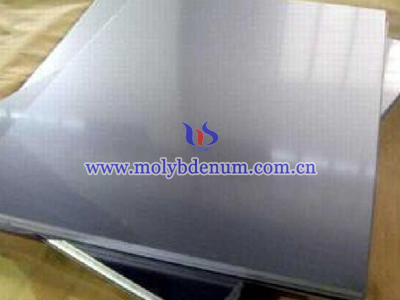
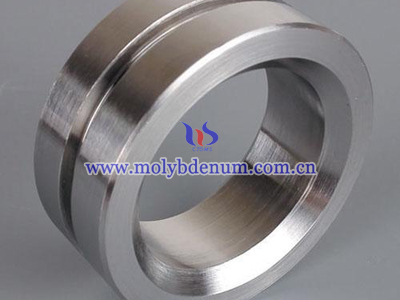
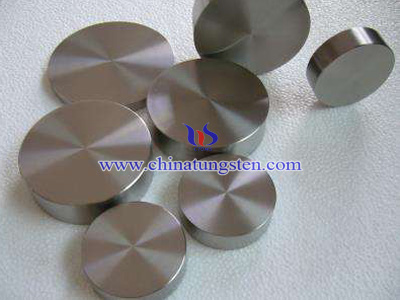
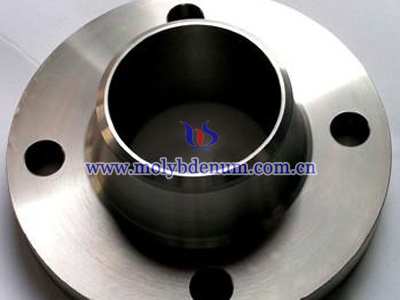
Different vacuum sintering furnace structures and installation methods require different component dimensions and designs. CTIA provides TZM product design and precision machining according to customer requirements, including sintering trays, setter plates, support components, partitions, and other customized high-temperature structural components.
Applications of CTIA’s TZM Alloy in Vacuum Sintering Furnace
CTIA’s TZM products are mainly used for high-temperature load-bearing components and structural parts in vacuum sintering furnace, serving high-temperature sintering processes for cemented carbides, powder metallurgy products, ceramics, and advanced materials, including:
(1) Cemented Carbide Sintering
Used for sintering trays, setter plates, and support components to carry cemented carbide products during high-temperature sintering.
(2) Powder Metallurgy Sintering
Used for load-bearing structures during sintering of powder-compacted parts, meeting long-term high-temperature operation requirements.
(3) Advanced Ceramic Sintering
Used for support and fixing components during high-temperature densification of ceramic materials under clean sintering environments.
(4) Advanced Material Development and Production
Used for high-temperature structural components in advanced material processing equipment to improve sintering process stability.
Specifications of CTIA’s TZM Alloy in Vacuum Sintering Furnace
CTIA provides TZM products in different forms and specifications according to vacuum sintering furnace structures and application requirements.
(1) Product Forms: TZM plates, TZM blocks, TZM rods, TZM strips, and precision-machined components.
(2) Dimensions: Customized thicknesses, diameters, lengths, and structural dimensions are available.
(3) Machining: Precision machining processes including turning, milling, grinding, and drilling are available.
CTIA GROUP has nearly 30 years of experience in molybdenum and molybdenum alloy manufacturing, with integrated capabilities in powder metallurgy processing and precision machining. CTIA provides TZM plates, blocks, rods, strips, and customized structural components for different vacuum sintering furnace applications. Through strict control of material quality, manufacturing processes, microstructure, and machining accuracy, CTIA ensures stable performance and dimensional reliability of TZM products.
For any inquiry, please contact molybdenum and molybdenum alloy manufacturer: CTIA GROUP
Email: sales@chinatungsten.com
Tel: 0086 592 5129696 / 0086 592 5129595
Website: www.molybdenum.com.cn
WeChat:

Inquiry & Feedback
Related Products: