CTIA’s TZM Alloy in Glass Melting Equipment
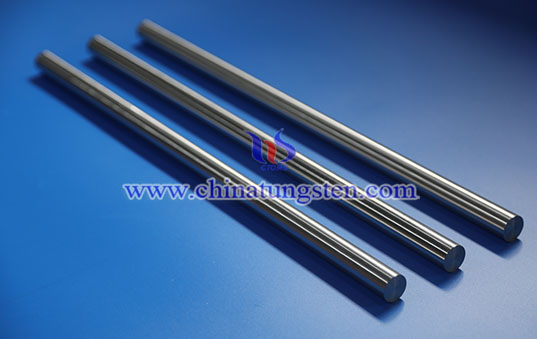
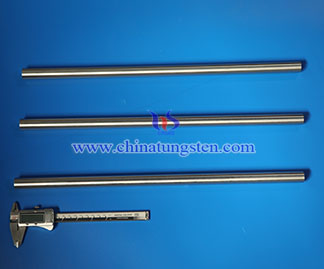
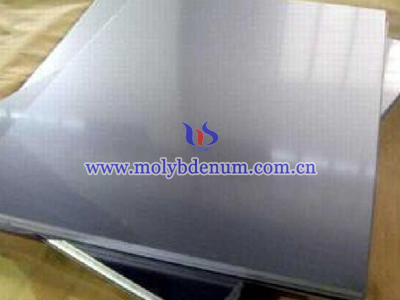
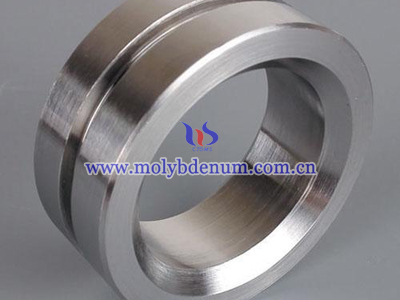
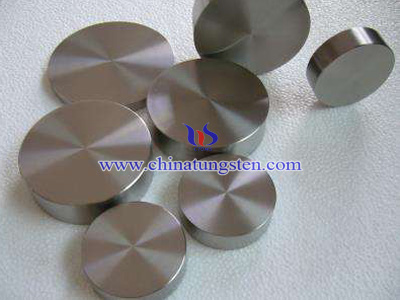
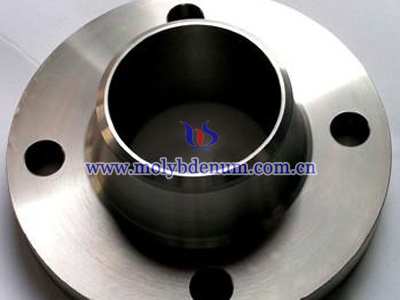
CTIA’s TZM alloy (Titanium Zirconium Molybdenum) is manufactured through powder metallurgy processes, using high-purity molybdenum powder as the matrix with titanium (Ti: 0.40–0.55%), zirconium (Zr: 0.06–0.12%), and carbon (C: 0.01–0.04%) additions to form TiC and ZrC dispersion-strengthened phases. TZM provides good high-temperature strength, creep resistance, dimensional stability, and thermal stability, meeting the requirements of long-term high-temperature operation, thermal cycling, and complex working conditions in glass melting processes. CTIA’s TZM alloy is suitable for electrodes, stirring rods, support components, connecting parts, and other high-temperature structural components in glass melting equipment, widely used in photovoltaic glass, electronic glass, optical glass, and specialty glass manufacturing.
Advantages of CTIA’s TZM Alloy in Glass Melting Equipment
Glass melting equipment operates under continuous high-temperature molten conditions, where internal components are exposed to sustained thermal loads, mechanical stresses, and temperature fluctuations, requiring materials with excellent high-temperature performance and long-term stability. CTIA’s TZM alloy offers the following advantages:
(1) High-Temperature Strength
Maintains reliable load-bearing capability in high-temperature glass melting environments, supporting long-term thermal loads while reducing structural deformation.
(2) Excellent Creep Resistance
Reduces dimensional changes during prolonged high-temperature operation and maintains structural stability of equipment components.
(3) High-Temperature Microstructural Stability
TiC and ZrC strengthening phases inhibit grain growth, ensuring stable material performance during long-term service.
(4) Thermal Cycling Resistance
Reduces thermal stress caused by repeated heating and cooling cycles through a coefficient of thermal expansion of approximately 5.5–5.9×10⁻⁶/K.
(5) Precision Machining Capability
Supports precision machining according to glass melting equipment structures, meeting the requirements of complex high-temperature components such as electrodes and stirring rods.
Applications of CTIA’s TZM Alloy in Glass Melting Equipment
(1) Photovoltaic Glass Production Equipment
Used for high-temperature structural components, electrodes, and support components in melting furnaces to meet continuous melting operation requirements.
(2) Electronic Glass Manufacturing Equipment
Used for load-bearing parts, connecting components, and functional structural parts during high-temperature melting processes to ensure stable equipment operation.
(3) Optical Glass Melting Equipment
Used for stirring rods, support components, and other high-temperature parts to improve reliability during glass melt processing.
(4) Specialty Glass Production Equipment
Used for furnace structural components under long-term high-temperature and complex operating conditions.
Specifications of CTIA’s TZM Alloy in Glass Melting Equipment
(1) Product Forms: TZM electrodes, stirring rods, support components, and precision-machined structural parts.
(2) Dimensions: Customized sizes and complex structures are available.
CTIA GROUP has nearly 30 years of experience in molybdenum and molybdenum alloy manufacturing, with integrated capabilities from raw material control and material production to precision machining. Through strict process control, CTIA provides TZM rods, plates, blocks, and precision-machined components with uniform microstructure and stable performance. According to glass melting equipment structures and operating conditions, CTIA develops TZM high-temperature components designed for long-term service under high temperature, thermal cycling, and complex environments.
For any inquiry, please contact molybdenum and molybdenum alloy manufacturer: CTIA GROUP
Email: sales@chinatungsten.com
Tel: 0086 592 5129696 / 0086 592 5129595
Website: www.molybdenum.com.cn
WeChat:

Inquiry & Feedback
Related Products: