CTIA’s TZM Alloy in Nuclear Structural Components
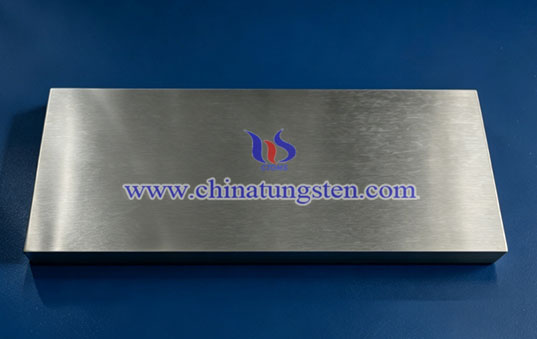
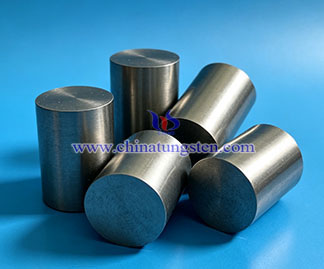
CTIA’s TZM alloy (Titanium Zirconium Molybdenum) is manufactured through powder metallurgy processes using high-purity molybdenum powder as the matrix. By adding Ti (0.40%–0.55%), Zr (0.06%–0.12%), and C (0.01%–0.04%), carbide phases (TiC and ZrC) are formed to provide dispersion strengthening, improving high-temperature strength, creep resistance, dimensional stability, and high-temperature microstructural stability. TZM meets the demanding requirements of nuclear industry equipment under long-term high-temperature exposure, thermal cycling, and complex service conditions. Nuclear structural components must maintain structural integrity and operational reliability in severe environments. CTIA’s TZM alloy is suitable for load-bearing components, support structures, connecting components, and other precision high-temperature structural parts, widely used in nuclear materials research, high-temperature testing equipment, and related nuclear industry equipment and systems.
Advantages of CTIA’s TZM Alloy in Nuclear Structural Components
(1) Superior High-Temperature Strength
Maintains high mechanical strength at elevated temperatures to withstand continuous operational loads and ensure structural stability.
(2) Good Creep Resistance
Minimizes dimensional changes during long-term high-temperature service, improving component reliability.
(3) High Dimensional Stability
A low coefficient of thermal expansion (approximately 5.5–5.9×10⁻⁶/K) reduces temperature-induced dimensional variations, meeting precision engineering requirements.
(4) High-Temperature Microstructural Stability
TiC and ZrC strengthening phases effectively inhibit grain growth, maintaining stable microstructure during long-term high-temperature exposure.
Applications of CTIA’s TZM Alloy in Nuclear Structural Components
(1) Nuclear Material Research Equipment
Used for support components, load-bearing parts, and fixing structures in high-temperature experimental systems to ensure stable operation during material research.
(2) Nuclear Energy Equipment
Used for structural components and connecting parts in high-temperature regions under long-term thermal loads.
(3) High-Temperature Testing Equipment
Used for load-bearing structures and positioning components in thermal environment simulation systems to improve testing reliability.
(4) Advanced Energy Equipment
Used for high-temperature structural components under complex thermal conditions to enhance equipment stability.
Specifications of CTIA’s TZM Alloy in Nuclear Structural Components
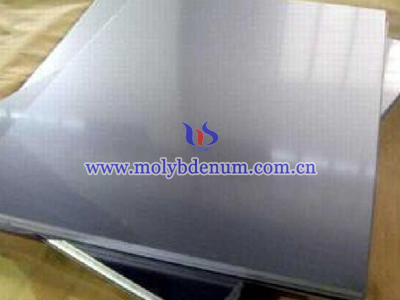
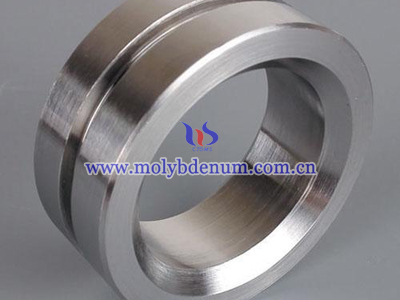
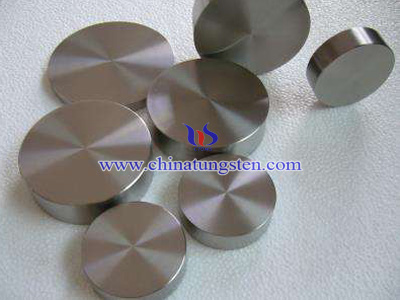
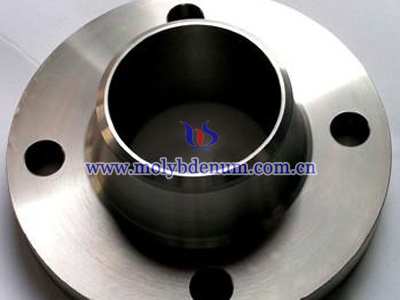
(1) Product Forms: TZM plates, rods, blocks, and precision-machined structural components, including load-bearing parts and support components.
(2) Dimensions: Customized sizes and complex structures are available.
CTIA GROUP has been engaged in molybdenum and molybdenum alloy manufacturing for nearly 30 years, with comprehensive capabilities in TZM alloy material production, powder metallurgy processing, and precision component manufacturing. CTIA has established an integrated manufacturing system covering raw material control, material processing, and final part machining. Relying on mature manufacturing processes and strict quality control systems, CTIA supplies TZM plates, TZM rods, TZM blocks, and high-precision machined components. According to the requirements of nuclear high-temperature structural components, CTIA develops TZM parts designed for long-term high-temperature operation, complex service conditions, and precision assembly requirements.
For any inquiry, please contact molybdenum and molybdenum alloy manufacturer: CTIA GROUP
Email: sales@chinatungsten.com
Tel: 0086 592 5129696 / 0086 592 5129595
Website: www.molybdenum.com.cn
WeChat:

Inquiry & Feedback
Related Products: